


In the immediate aftermath of 9/11, hate crimes against South Asian and Arab Americans made headline news. Innocent people were murdered and harassed due to racist efforts at revenge because of how they looked and dressed. President George W. Bush was forced to denounce the trend even while he was managing America’s response and reacting to the terrorist attacks. South Asians and Arabs were fearful — and for good reason.
Today, resentment towards South Asian Americans has reached levels on par with 25 years ago. Even more worrisome, the anger toward them runs deeper than fears of a physical attack.
This sentiment came to the forefront earlier this week when over 100,000 people signed a petition calling for Zohran Mamdani, New York City’s first Muslim mayor, to be banned from attending a 9/11 remembrance ceremony at Ground Zero — an event attended by federal, state and local politicians of both parties. But apart from this recent news, this new breed of racism rarely makes the news cycle. Fortunately, as a scholar and teacher of anti-Asian racism, I believe there is time to address this alarming trend before the outcomes mimic what we saw in 2001.
Following 9/11, the immediate fears of some Americans were of Muslims hijacking planes or causing other kinds of physical violence. In many ways, this anger toward fellow Americans of South Asian and Arab origin was not surprising. It echoed a longstanding narrative of Asians as a danger to public safety and hygiene.
Currently, the national fear of South Asians has shifted from the specter of physical violence to economic and cultural concerns that they will overtake the American dream and way of life. People worry about losing their jobs to immigrants. For instance, the information technology industry is facing increased uncertainties, leading to massive layoffs and difficulties for those unemployed to find new jobs. As is often the case in times of economic uncertainty, immigrants are the first to be blamed for large-scale economic problems.
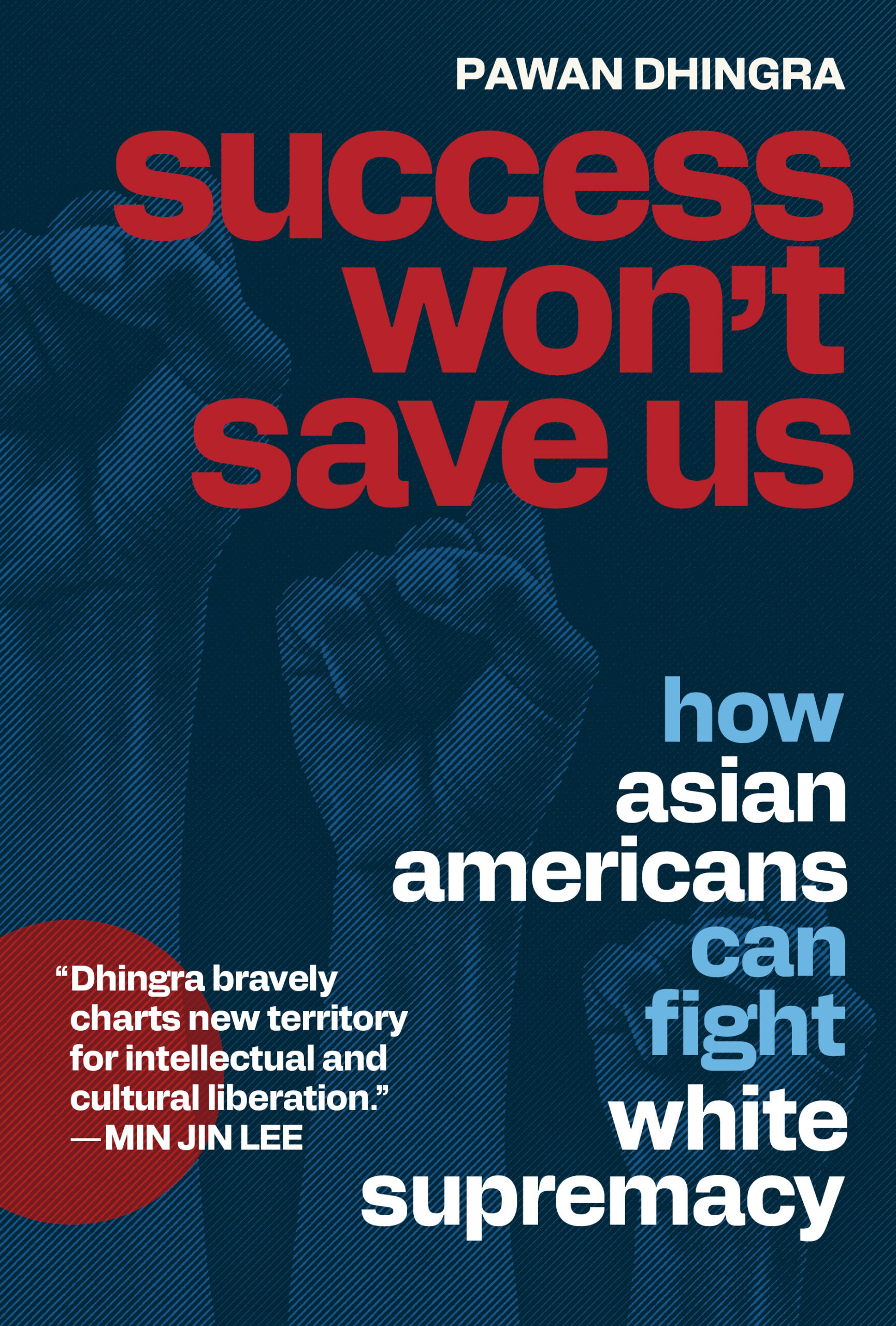
Dhingra’s book, “Success Won’t Save Us: How Asian Americans Can Fight White Supremacy,” will be released Feb. 2, 2025.
President Donald Trump’s rhetoric and policies have deepened the problems. He has tried to impose a massive fee on H-1B visas as a way to curtail companies from hiring highly skilled immigrants. This economic anxiety has led to anti-Indian hate since Indian immigrants benefit the most from H-1B visas that are prevalent in the technology industry. Racist online posts on X against Indians, most of which referred to them as “job thieves” in the United States, received hundreds of millions of views in just a three month period in 2025 alone. In fact, according to Stop AAPI Hate, an organization dedicated to advocating for equality and safety for Asian American and Pacific Islanders, from 2023 to 2025, anti-South Asian slurs increased by 109%, both online and in person.
These trends follow a pattern. South Asians have been accused of taking jobs from other Americans basically since the time they began arriving at the nation’s shores. In 1907, they were driven out of Bellingham, Washington, in a violent mob attack led by anti-immigrant activists upset over the loss of jobs in the region’s lumber mills and over the men wearing turbans.
People across the country are angry about losing not only their jobs but also their culture, and their religious animosity is not limited to Muslims like Mamdani. Hate crimes against Hindus, Sikhs and Buddhists “spiked to their highest levels ever recorded by the FBI” in 2025 according to analysis of law enforcement data by Asian Americans Advancing Justice. Hindus and Muslims alike are accused of following pagan religions and even practicing pedophilia. Trump’s reference to Indians and Chinese as not integrating and coming from “hellhole” countries have only added to the pervasive negative stereotyping.
Even secular Indian dance performances, which only a couple of years ago were applauded online as creative, now receive racist reactions. People take videos of South Asians at the grocery store, referring to them as an “invasion” into their communities.
Start your day with essential news from Salon.
Sign up for our free morning newsletter, Crash Course.
Such anger stems from more than the fear of a physical attack. It stems from the fear of having one’s way of life replaced. The Great Replacement Theory — elements of which have been promoted by Trump, White House deputy chief of staff Stephen Miller and other administration officials, as well as right-wing media personalities like podcaster Tucker Carlson and Fox News host Laura Ingraham — has been responsible for multiple racist attacks over the past few years, includes the popular assumption that immigrants are here to replace Americans “for electoral gains.” This, of course, is not remotely grounded in reality.
South Asians recognize the hate, like they did 25 years ago. A poll conducted by the Council on American-Islamic Relations soon after 9/11 found that 57% of Muslims experienced “an act of bias or discrimination.” Similarly today, 55% of South Asians say they or someone they know has experienced anti-immigrant prejudice or been impacted by anti-immigrant policies. Some are even considering returning to South Asia.
Twenty-five years ago, everyday South Asians carried U.S. flags in an effort to show their solidarity with America in the wake of the attacks. Today, how does one convince a stranger that they are not here to take their job or overrun their grocery store?
It is hard to blame them. There are few clear pathways for South Asians to effectively respond to this current wave of hate against them. Twenty-five years ago, everyday South Asians carried U.S. flags in an effort to show their solidarity with America in the wake of the attacks. Today, how does one convince a stranger that they are not here to take their job or overrun their grocery store?
Remarkably, most Americans know very little about Asians. It is not surprising, then, that their impressions are fueled by commonplace stereotypes, especially when they are worried about protecting their jobs or ways of life. So, on the one hand, more education on Asian Americans would help people become less racist.
But Asian Americans should not have to bear this burden; the other answer to this racism does not involve us at all. We need everyday Americans to better understand their own local histories, such as how their job markets and neighborhoods have transformed over the decades. In most cases, they would find that there has been a natural ebb-and-flow in response to national trends. Local histories should also include the economic and social benefits of immigration, including job growth and adding vitality to neighborhoods. This will make the changes people are experiencing today feel less invasive and more understandable.
We need your help to stay independent.
Ultimately, Asians can only do so much to convince others that they come in peace. Ending anti-Asian bias requires non-Asian Americans to speak up and educate their own peers, colleagues and audiences.
Each anniversary of 9/11, we remember the victims and survivors from that horrific day. This year, on the 25th anniversary, that responsibility is even greater. But as we reflect on how those awful events changed us all, it is important that we also commit to preventing more victims in the weeks and months to come.
Read more
about immigration
The post Post-9/11 hate is taking a new form appeared first on Salon.com.
from Salon.com https://ift.tt/okUTDRB


 Hello, my name is Asma E Nur. I am a tech blogger.
No comments:
Post a Comment